
German Books on PSpice Circuit Simulation Resources
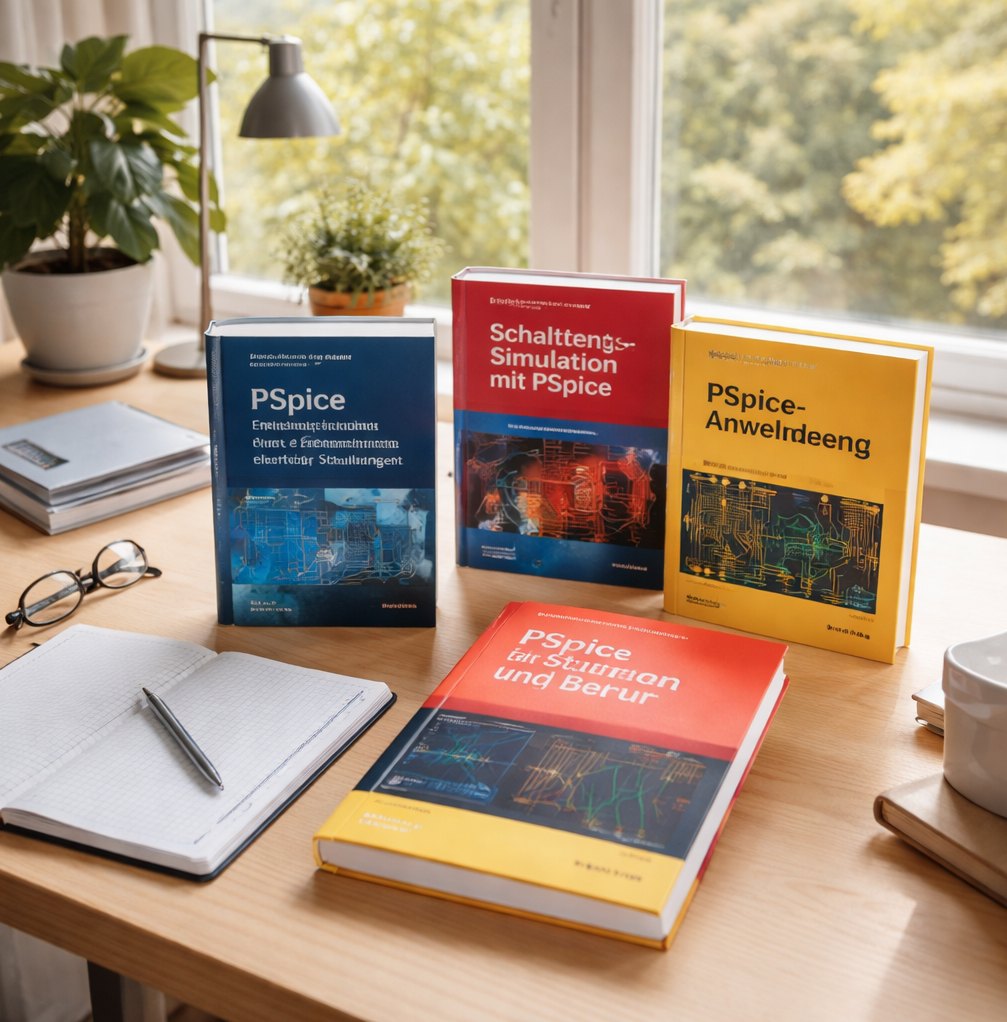
For those delving into the realm of electronic circuit simulation, German literature on PSpice presents a treasure trove of resources. PSpice, an advanced circuit simulation program, provides engineers and academics with tools to model the behavior of electrical circuits before physically implementing them. These books, written in German, offer in-depth knowledge and step-by-step guidance, essential for harnessing the full potential of PSpice.
Comprehensive Exploration of PSpice
PSpice is a component of the SPICE (Simulation Program with Integrated Circuit Emphasis) family. It is one of the most popular simulation programs due to its versatility and precision. German books dedicated to PSpice often cover a comprehensive range of topics, from basic circuit design to advanced simulation techniques. Readers can expect to find detailed discussions on simulating analog, digital, and mixed-signal circuits, which are crucial in modern electronics.
In-depth Circuit Analysis
An essential aspect highlighted in these books is the ability to analyze and troubleshoot circuits before they are physically constructed. The simulation environment provided by PSpice allows users to test circuit responses to various conditions, reducing the risk of costly errors and material wastage. German authors tend to focus on this analytical aspect, providing valuable insights into optimizing circuit performance in various scenarios.
Step-by-step Instructions
The structured nature of German academic writing is evident in the clear and methodical instructions these books provide. They often include detailed walkthroughs of setting up simulations, from initial design to final analysis. This meticulous approach is beneficial for both novice and seasoned users, ensuring that every step of the process is comprehensible and executable.
Simulation Techniques and Best Practices
 PSpice is more than a simple circuit modeling tool ; it is a robust platform capable of simulating complex systems. German literature on this topic touches on a variety of simulation techniques, including Monte Carlo simulations, parametric sweeps, and sensitivity analysis. These techniques are crucial for developing circuits that are not only functional but also optimized for cost and efficiency.
Moreover, these books often include practical tips and best practices for maximizing the utility of PSpice. Whether it’s setting up initial conditions or selecting the appropriate models, the guidance provided can significantly enhance the user’s ability to create accurate simulations.
A Focus on Educational Value
Many German authors who write about PSpice are educators and researchers, and their books reflect a strong focus on educational value. These texts are designed not only to inform but to teach. They encourage an understanding of the underlying principles of circuit design and simulation, rather than just the mechanics of using the software. This educational approach helps readers develop a deeper comprehension of the subject matter, leading to better engineering outcomes.
Case Studies and Real-world Applications
German books on PSpice often incorporate case studies and real-world applications to illustrate theoretical concepts. By presenting real-life examples, these resources demonstrate how PSpice can be applied to solve actual engineering challenges. This practical angle is essential for translating knowledge from the page to the lab, making these books invaluable for those aiming to apply their skills in professional or academic settings.
Why German Books ?
The question may arise : why opt for German books on PSpice ? The answer lies in the rigor and depth that German engineering literature is known for. These books not only cover the technical aspects of using PSpice but also delve into the theoretical underpinnings of circuit simulation, offering a well-rounded understanding that is hard to match.
For anyone serious about mastering electronic circuit simulation using PSpice, exploring German books can provide a distinct advantage. Their comprehensive coverage, clear methodologies, and focus on both practical and educational aspects ensure that readers are well-equipped to tackle even the most complex simulation challenges. Embrace these resources, and transform your simulation projects into precise and efficient technological solutions.
