
Unraveling spice myths: common misconceptions in culinary uses
Many people believe they know everything there is to know about spices simply because they cook with them. However, there’s a surprising amount of misinformation that swirls around these culinary staples. Let’s dispel some of these common misconceptions about spices and enhance your culinary prowess.
Spice versus herb : what’s the difference ?
One major point of confusion is distinguishing spices from herbs. While used interchangeably in casual conversation, they are quite different. Spices are derived from parts of the plant that aren’t leafy greens, like seeds, bark, roots, and fruit. Think cinnamon, which comes from bark, or cumin, a seed. On the other hand, herbs are the leafy parts, typically fresh or dried leaves used to season dishes. Recognizing this distinction helps understand their unique roles in the kitchen.
Grinding spices : does it really matter ?
There’s a pervasive belief that pre-ground spices are equivalent to whole spices in flavor. While convenient, pre-ground spices often lose potency and flavor over time. Grinding whole spices just before using them can transform a dish. Freshly ground spices have more robust flavors and release essential oils that enhance the complexity of the dish. So, investing in a small grinder or mortar and pestle can be a game-changer in your culinary adventures.
Spices and heat levels : is more always better ?
Some cooks assume that more spice automatically means more heat. This isn’t necessarily true. Spices can add depth, aroma, and even sweetness, not just spice levels. For example, nutmeg and cinnamon add warmth and sweetness, not heat. Understanding the unique profiles of various spices allows you to use them more effectively, balancing flavors without overwhelming heat.
The myth of staple spices
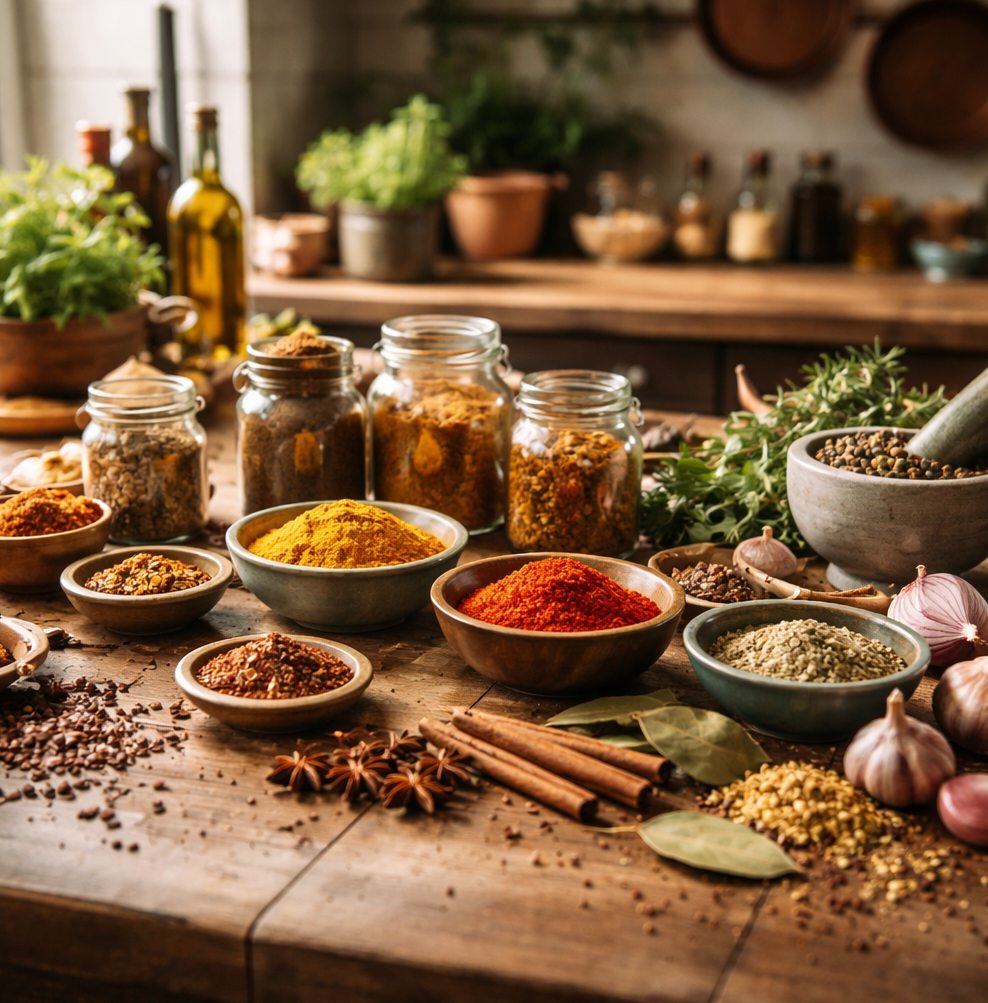
Many believe a small set of spices is enough for all types of cuisine. However, culinary traditions worldwide showcase a diverse range of spices that are essential for authentic flavors. True Indian curries benefit from spices like asafoetida and fenugreek. Southeast Asian dishes often rely on galangal or lemongrass. Expanding your spice collection is key to unlocking genuine flavors from different cuisines.
Expiration of spices : when to toss them ?
A common myth is that spices don’t expire. While they don’t spoil in the traditional sense, they do lose their flavor over time. Whole spices last longer than ground ones, but in both cases, potency diminishes. A good rule of thumb is to replace ground spices every six months to a year, and whole spices every couple of years. If a spice has lost its vibrant color or smells faint, it’s likely time for a refresh.
Balancing spices : the art of blending
Mixing spices is more art than science, but many mistakenly think more is better. Overcrowding a dish with too many spices can muddle flavors, rather than enhance them. Embrace simplicity, starting with a few core spices and building as needed. Taste and adjust till you find the perfect balance for your dish.
Understanding and correcting these common myths can significantly improve your culinary skills. By using spices with intention and knowledge, you unlock a world of flavors for your dishes that go beyond heat and curry. Remember, spices are as much about aroma and depth as they are about taste. Use them wisely, and they will transform your cooking.
